Last Updated: November 15, 2026
Quick Summary
Bespoke metalwork is fabricated to a specific design for one property rather than chosen from standard sizes, so it fits the opening, floor level and architectural style of a modern home. Its value lies in clean lines and considered detailing, and the right metal depends on exposure, appearance and upkeep.
- Match the metal to exposure first, then choose appearance.
- Galvanised steel resists corrosion even where the surface is scratched.
- Powder coating adds a tough, colour-matched finish that resists chipping and fading.
- Balustrade designs must follow Approved Document K to stop young children passing through.
- Early decisions on finish and handrail details keep the programme tight.
Table of Contents
- What Bespoke Metalwork Means for a Modern Home
- Where Bespoke Architectural Metalwork Fits in Contemporary Design
- Choosing Metals and Galvanised and Powder-Coated Steel Finishes
- Metal Balustrade Design and UK Building Regulations
- Planning a Custom Steel Staircase From Survey to Installation
- What Shapes the Cost of Bespoke Metalwork
- Maintenance and Lifespan of Metalwork in London Conditions
- Booking a Free Site Survey for Your Bespoke Metalwork
- Frequently Asked Questions
What Bespoke Metalwork Means for a Modern Home
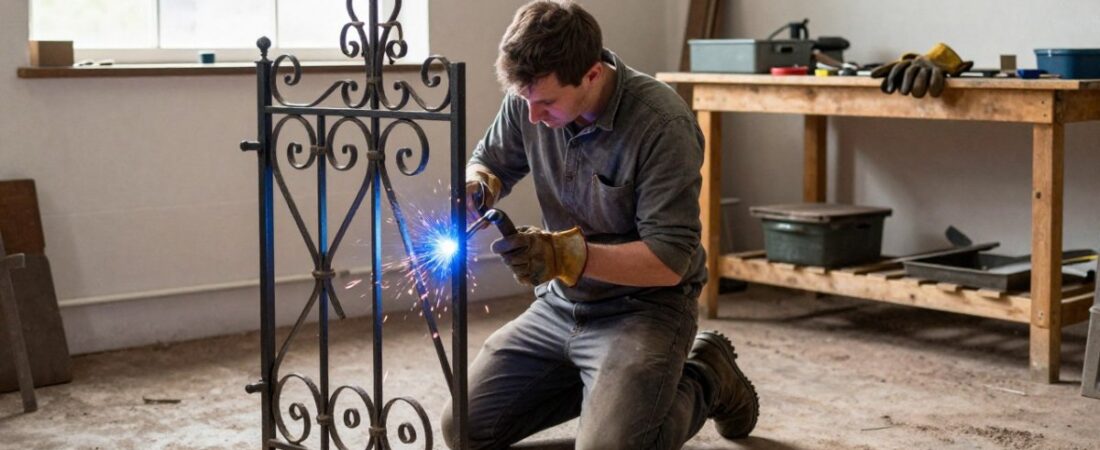
Bespoke metalwork is fabricated to a specific design for one property, rather than selected from a catalogue of standard sizes. At Metal Railings London, we make railings, gates, balustrades and steel staircases to measure, so the finished piece fits the opening, the floor level and the architectural style of the home it sits in. For a modern house, that fit matters because contemporary designs rely on clean lines, large openings and minimal visual clutter, and an off-the-shelf part rarely delivers that.
Bespoke work also means the metal, finish and detailing are chosen for the building and its use. A glazed rear extension, a sloping garden boundary and a busy driveway each call for different solutions.
Where Bespoke Architectural Metalwork Fits in Contemporary Design
Modern homes often use metal as a deliberate design element rather than a background feature. Slim steel balustrades, horizontal-bar balcony railings and slatted gates can frame views, separate outdoor zones and let light through, which suits open-plan layouts and large glazed walls. Architects and interior designers tend to specify these elements early, because the spacing, profile and colour of the metal affect the whole facade.
Bespoke architectural metalwork lets the detail follow the design intent. A staircase can be drawn to the exact rise and going of the stair, and a screen can be sized to the room it divides. This level of control is what separates a finished, considered interior from one where the metalwork looks like an afterthought.
Choosing Metals and Galvanised and Powder-Coated Steel Finishes
The main choice is usually between mild steel, stainless steel, aluminium, wrought iron and, for interior detail, brass. Each behaves differently in use, and the right answer depends on exposure, appearance and how much maintenance you are prepared to accept.
Mild steel is strong and cost-effective for structural work such as staircases and balustrade cores, but it needs a protective finish. Galvanising coats the steel in zinc, which protects it even where the surface is scratched. Powder coating adds a tough, colour-finished layer that resists chipping and fading and can be matched to a specific shade. Many of our projects combine the two: galvanised steel for corrosion resistance, then a powder-coated topcoat for colour. You can see the galvanised and powder-coated metalwork options in London we offer.
Stainless steel resists corrosion without a coating, but it has a different, cooler look and a higher material cost. Aluminium is lighter and will not rust, which suits large screens and balcony infill where weight matters, though it is softer and needs a powder coat for colour. Wrought iron offers traditional detailing for period properties, but it is heavier and demands regular painting to stay sound. Brass and bronze suit interior handrails and feature trims where a warm, patinated finish is wanted, but they tarnish and need periodic care.
A simple way to decide is to match the metal to exposure first, then to appearance. For a sheltered interior balustrade, mild steel with a powder coat is often enough. You can read whether powder coated steel railings are worth it for your situation. For a gate at the front boundary, galvanised and powder-coated steel or stainless steel is the safer bet. For a coastal or highly exposed site, grade 316 stainless steel or a galvanised-and-coated system performs best.
The right metal depends on exposure, appearance and how much upkeep you are willing to accept. The main options compare as follows.
| Metal | Best for | Key difference |
|---|---|---|
| Mild steel | Staircases and balustrade cores | Strong and economical, needs a protective finish |
| Stainless steel | Exposed or coastal sites | Resists corrosion without a coating, higher material cost |
| Aluminium | Large screens and balcony infill | Lighter and will not rust, softer, needs a powder coat for colour |
| Wrought iron | Period properties | Traditional detailing, heavier, needs regular painting |
| Brass and bronze | Interior handrails and trims | Warm patinated finish, tarnishes and needs periodic care |
Metal Balustrade Design and UK Building Regulations
Balustrades and guarding must be designed to protect people from falls, and the requirements are set out in the Building Regulations, Approved Document K, which covers protection from falling. The guidance addresses the height of guarding, the gaps between members and the loads the structure must resist. Many modern designs use vertical bars or glass, and the spacing has to stop a young child passing through.
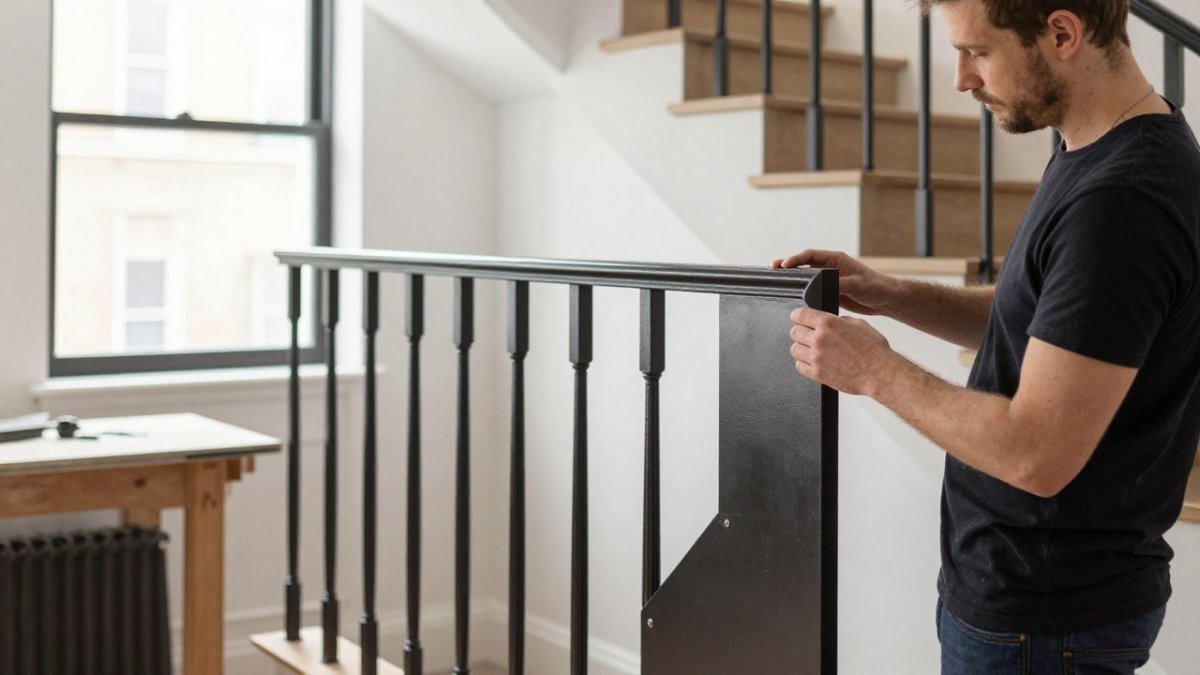
Planning your balustrade early means the structure, fixings and finish can be designed around these requirements instead of being adjusted late in the build. Your local authority building control team can confirm how the rules apply to your property.
Planning a Custom Steel Staircase From Survey to Installation
A custom steel staircase is planned in stages. A custom steel staircase is typically planned from a site survey, through design and finish selection, to fabrication and installation.
Decisions on finish and handrail details are best made before fabrication starts, because changes at a later stage can affect the programme.
What Shapes the Cost of Bespoke Metalwork
We do not publish fixed prices, because the cost of bespoke work depends on the specific project. What we can do is explain how each driver moves the figure, so you can see where your budget is likely to go before you request a quote.
Size and length are the first driver. Why custom metalwork costs more than standard options breaks down the main reasons behind bespoke pricing. Material and thickness come next: mild steel is the most economical structural choice, stainless steel carries a higher material cost, and aluminium sits between the two but needs a coating for colour. Thicker sections and heavier profiles add cost but also stiffness, which matters on longer spans.
Finish is a significant variable. A single powder coat is quicker than a galvanised-and-coated system, and a specialist colour, metallic effect or hand-applied patina adds further stages. The number of coats and any masking of details all add workshop time. Design complexity is the next factor: a simple straight run is quicker to fabricate than a curved, multi-level or cantilevered structure, and every bend, mitre and concealed fixing adds labour. Installation complexity matters too, a straightforward fix into a solid wall is quicker than work over a glazed opening, a sloping site or a restricted access point where parts must be carried in by hand.
Site access and programme also affect labour time. Where a staircase or large gate cannot be delivered in one piece, it must be fabricated in sections and assembled on site, which adds fitting hours. Early decisions on finish and handrail details keep the programme tight; changes after fabrication starts can affect both cost and lead time.
To get a meaningful figure, you will need a bespoke quote based on your own drawings or a site visit. Our railing installation cost estimate guide shows the budget drivers to consider before you ask for one. We provide a free site survey so you can see what influences the cost of your project before you commit.
Maintenance and Lifespan of Metalwork in London Conditions
Metalwork in London faces urban pollution, damp winters and occasional road salt, so maintenance matters. Galvanised and powder-coated finishes benefit from an occasional wash with clean water to remove grime and salt. Check fixings, hinges and sliding mechanisms once a year, and touch up any chips in the coating promptly, before corrosion can start.
With sensible care, a well-finished steel installation can give long-lasting service.
Booking a Free Site Survey for Your Bespoke Metalwork
The most accurate way to plan bespoke metalwork is to start with a site survey, where the space is measured and the look, function, materials and finishes can be discussed for your property. If you are also considering a gate for the driveway, our metal driveway gates in London page shows the range we fabricate for residential frontages.
Contact Metal Railings London to request a free site survey and a bespoke quote. Tell us about your property, your style and your timescale, and we will explain what the next steps look like.
Frequently Asked Questions
What counts as bespoke metalwork in a modern home?
Bespoke metalwork is any metal element designed and fabricated to the specific dimensions, function and style of your property rather than bought off a shelf. In modern homes this usually means staircases, balustrades, gates, screens and handrails made to measure for a particular opening or layout. Because each piece is fabricated for its location, it can match contemporary architecture closely and fit awkward spaces that standard products cannot. A site survey is the normal starting point, so measurements and design decisions are based on the real building.
Which metals are best for residential architectural metalwork?
Mild steel is the most common choice for bespoke residential work because it is strong, workable and can be galvanised and powder-coated for long-term protection. Stainless steel suits areas where a polished, low-maintenance look is wanted, while wrought iron is typically chosen for traditional or Victorian and Edwardian style properties. The right choice depends on the design, the exposure of the location and the finish you want, and a fabricator can advise on the trade-offs for your specific project.
What affects the cost of bespoke metalwork?
Cost depends on several factors, including the size and quantity of components, the material chosen, the type of finish, the complexity of the design and the difficulty of installation on site. Bespoke pieces that involve forged details or unusual geometry require more fabrication time than simple standard profiles. Because these variables differ widely between projects, pricing is best established through a bespoke quote after a site survey. Metal Railings London can assess your requirements and provide a quote based on your specification.
What safety requirements apply to metal balustrades and handrails?
Balustrades and handrails in UK homes and commercial buildings must be designed and installed in line with Approved Document K of the Building Regulations, which covers protection from falling, and with the relevant British Standards for barriers and handrails. Requirements can vary with the building type and location, so it is sensible to confirm the specifics for your project during the design stage. Metal Railings London works to recognised standards and can advise on how your balustrade design should be specified.
